

Healthy Home Goods: Textiles, Storage + Everyday Essentials
When we think about creating a healthier home, it’s easy to focus on what we put on our bodies or what we use to clean. But the products we surround ourselves with every day — the ones we touch, sleep on, store food in, and organize our spaces with — have influence too.
Many common household items, from synthetic textiles to plastic storage containers and everyday kitchen tools, can contain hidden chemicals, unnecessary additives, or excessive packaging that impacts both our health and the environment.
This page offers guidance on theses three key categories:
• Storage bins and baskets — sustainable organizing options
• Everyday household tools + kitchen products — cookware, sponges, brushes, and food storage
• Textiles — bedding, towels, and other fabrics that are in close contact with our bodies
My goal is to help you choose products that support a cleaner, lower-toxin home in a way that feels realistic, intentional, and aligned with your lifestyle.
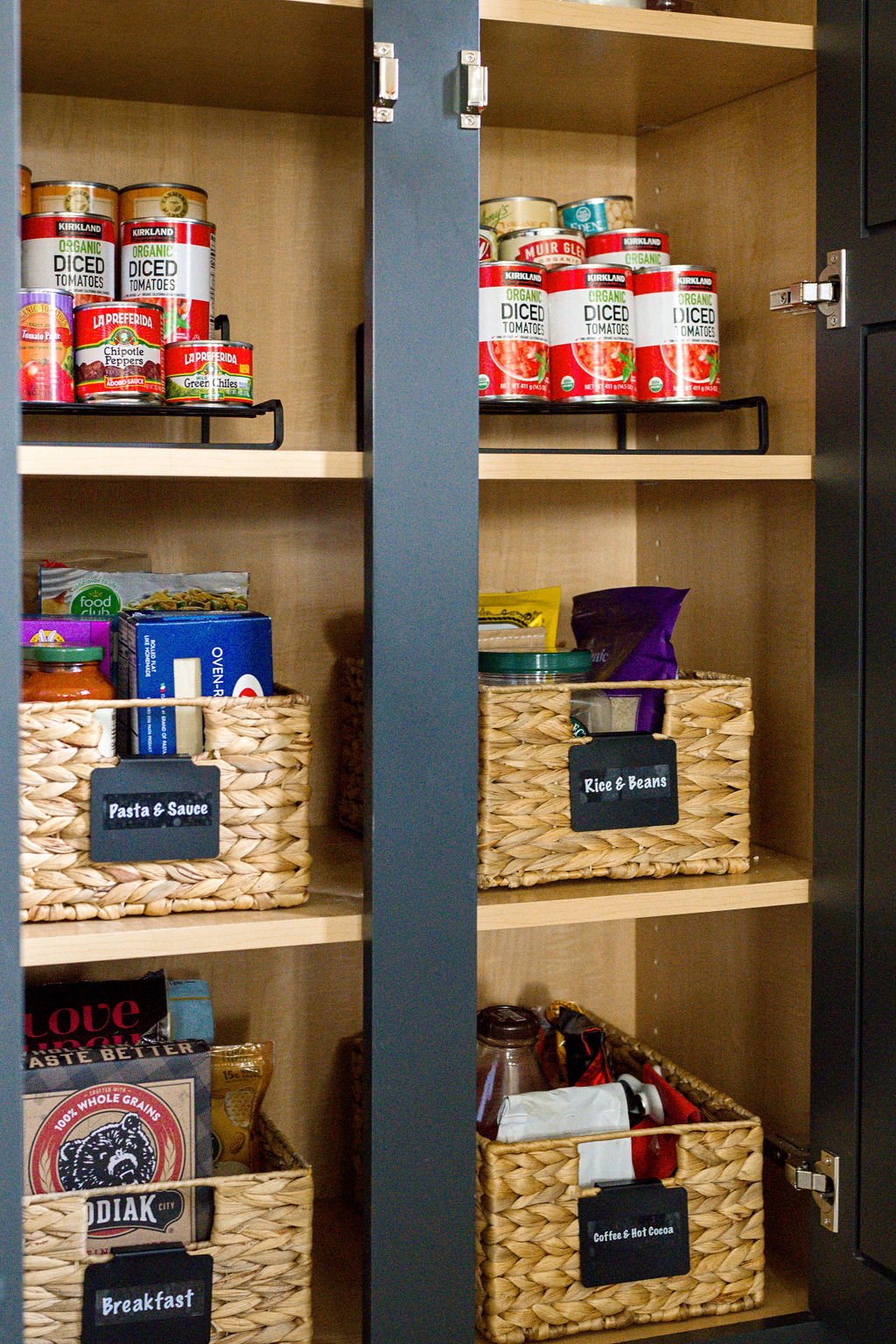
Storage Bins & Baskets
Storage products are a big part of creating an organized, functional home — and they’re also something we interact with every single day. From pantry containers and closet bins to toy baskets and laundry hampers, these items often live in our spaces long-term and are frequently made from plastic or synthetic materials. (Don’t get me wrong- there is certainly a time and a place when a good acrylic bin comes in handy)!
Of course, using what you already have is one of the most sustainable choices you can make. But as you organize your home, you may find that not every bin works well in every space. When something wears out, your needs change, or you move into a new home, replacing items with storage solutions made from more natural, long-lasting materials can be a great next step.
It’s also common to feel inspired to get organized and immediately buy new bins and baskets. However, the most sustainable and effective approach is to declutter and edit your belongings first, organizing only what you truly plan to keep. Once you know what items need to be stored, take measurements of your space before purchasing anything new. This helps ensure that what you choose truly fits your home and your needs—reducing unnecessary purchases and waste while setting you up for long-term success. Here are some sustainable, eco-friendly options to consider when you are ready to purchase:
Woven baskets made from seagrass, rattan, bamboo, or water hyacinth
Bamboo organizers, especially for drawers, pantry shelves, and bathroom storage
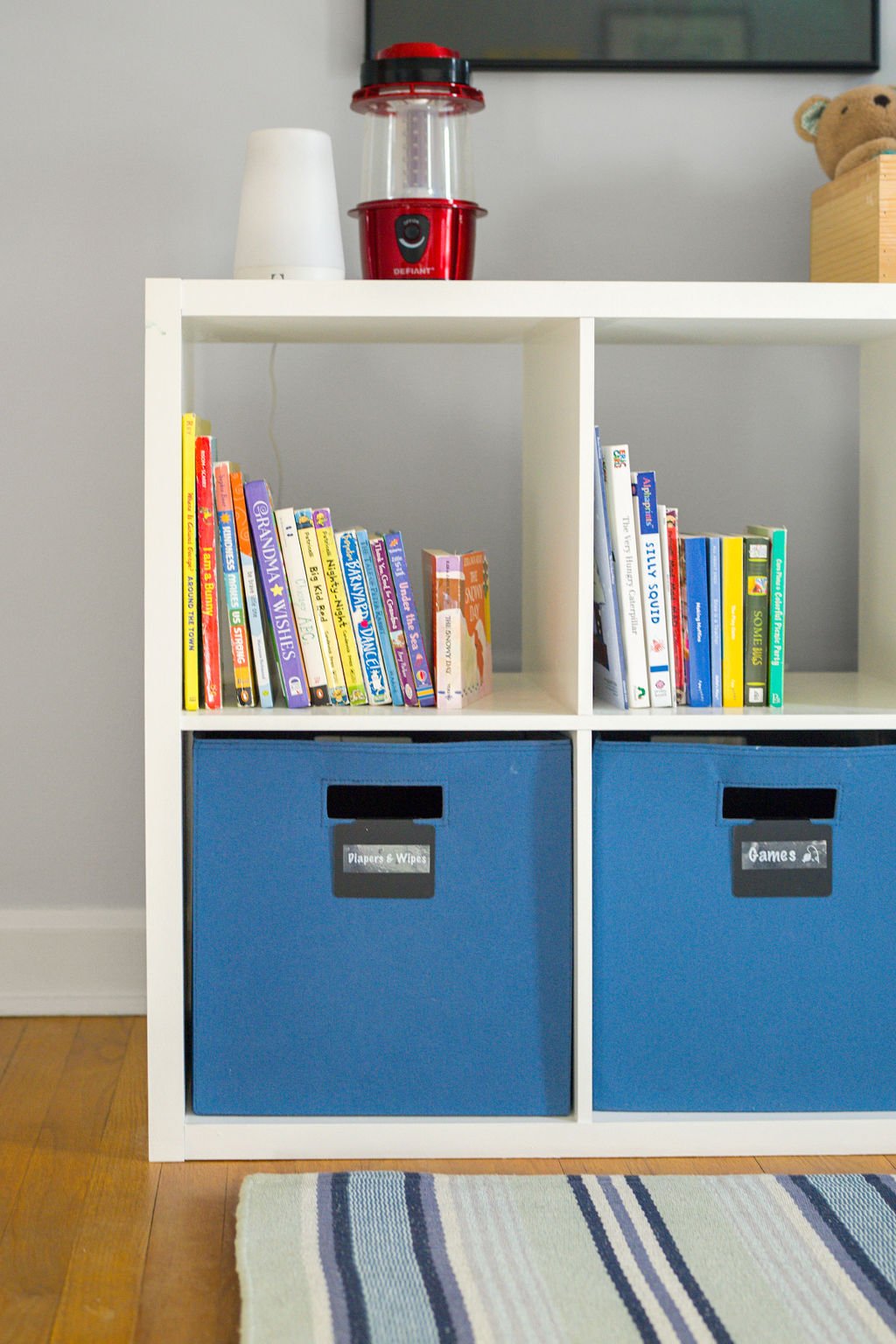
Felt or wool storage bins, which are durable, lightweight, and a great alternative to plastic. These work especially well in closets and kids’ play areas
Cotton or canvas bins for breathable, flexible storage. They’re also ideal for closets and playrooms
Soft-sided felt and canvas bins are especially helpful for children’s spaces because they’re lightweight and safer for little hands than hard plastic containers
Glass or stainless steel containers for pantry and food storage
High-quality plastic that is BPA- and phthalate-free when plastic is the most practical option (this can be a great option for the “neuro-spicy” that need to see everything)!
If you’d like a simple roadmap to follow, I created a free guide that walks you through my organizing process step by step. It shows you exactly how to declutter, measure, and choose storage solutions that truly work for your space—so you can avoid overbuying and create systems that last.
You can download my 5 Easy Steps to Getting Organized guide to help you get started with confidence and clarity.


Everyday Household Tools + Kitchen Products
The kitchen is a really helpful area of the home to reexamine when it comes to reducing toxic exposure, because so many everyday items come into direct contact with our food, water, and hands.
From cookware and food storage to sponges, brushes, and disposable plastics, these products are used constantly — which means even small upgrades here can have a meaningful long-term impact.
If you’re wondering where to begin, I recommend starting with a few high-impact swaps. Replacing plastic food storage, traditional nonstick cookware, and conventional dishwashing pods (check the “shop my favorites” section for recommendations) can make a noticeable difference, since these are used daily and interact directly with what we eat. Heat, friction, and repeated use can also increase the potential for certain materials or additives to migrate into food and onto our hands. From there, you can continue updating other items as they naturally wear out or need replacing.
Safer, more sustainable kitchen and household essentials often include:
• Stainless steel, cast iron, or ceramic cookware instead of traditional nonstick
Traditional nonstick coatings can contain PFAS, often referred to as “forever chemicals,” which are highly persistent in the body and environment.
• Glass food storage for leftovers and meal prep
Heating or storing food in plastic can contribute to microplastic exposure and the migration of certain additives, especially over time.
• Silicone reusable bags as an alternative to disposable plastic ziplocks
They reduce single-use plastic waste and are more stable when exposed to heat.
• Wood or bamboo utensils and cutting boards
These materials are durable, naturally antimicrobial, and avoid potential plastic or chemical coatings.
• Natural fiber scrubbers and brushes, like coconut coir or plant-based bristles
They limit microplastic shedding and reduce environmental impact.
• Compostable or plastic-free sponges when possible
Conventional sponges are often made from synthetic materials that break down into microplastics.
These materials tend to be more durable, easier to clean, and better for both your home and the planet.
Textiles: Bedding, Towels + Everyday Fabrics

Textiles are some of the products we interact with most closely in our homes. From sheets and towels to clothing and blankets, these materials are in constant contact with our skin for hours each day. Because of this, the choices we make can have a meaningful impact on both our health and the environment.
-
Many people don’t realize that the textile industry can involve a surprisingly complex and chemical-heavy manufacturing process. Conventional fabrics are often treated with dyes, finishing agents, and synthetic additives designed to make products softer, wrinkle-resistant, stain-resistant, or water-repellent. While these features may sound convenient, some treatments can contribute to indoor air pollution, and can be absorbed by our skin and may not be ideal for long-term health.
-
Many modern textiles are made from plastic-based fibers such as polyester, nylon, and acrylic. Over time—especially during washing—these materials can shed tiny microplastic particles that end up in our waterways and environment. Reducing synthetic textiles where possible is one way to lower everyday exposure and environmental impact.
-
Some chemical treatments used in textiles have been linked in research to hormone disruption and other health concerns. Hormones play an important role in nearly every system in the body, including reproductive health, metabolism, bone health, brain function, mood, and immune health. Because fabrics are so close to our bodies, choosing cleaner, more natural materials when possible can be a meaningful step.
-
You don’t need to replace everything overnight. Small upgrades over time can make a big difference. Examples include:
Choosing organic cotton sheets and towels
Avoiding stain-resistant and wrinkle-free treatments
Prioritizing natural fibers like cotton, linen, hemp, and wool
Washing new textiles before use
Small, thoughtful upgrades—especially for fabrics closest to your skin—can support a healthier home environment over time. Here are some third party certifications to look for:
-
One of the highest standards for organic textiles. It covers both the organic fiber content and stricter limits on harmful dyes and chemical processing.
-
Indicates that the finished fabric has been tested for a wide range of harmful substances. A helpful option when organic isn’t available.
-
A rigorous sustainability certification that evaluates material safety, responsible manufacturing, and environmental impact across a product’s full lifecycle.
-
(especially for rugs or upholstered items)
Focuses on low chemical emissions, helping reduce indoor air pollution from textiles and home furnishings